



When researching which essential oils to incorporate into your wellness routine, you will repeatedly encounter the same industry terms: pure, natural, unadulterated, and standardized. Understanding the exact definitions behind these labels is crucial for deciding what level of quality is right for your needs.
100% Pure and Natural Essential Oils
A pure, natural essential oil is a direct extraction of the volatile, aromatic chemical compounds natively contained within a plant, completely free from external alterations. The industry utilizes several core methods to safely capture these concentrated active plant compounds, most commonly:
- Steam Distillation: Passing pressurized steam through plant material to separate volatile oils.
- CO2 Extraction: Using pressurized carbon dioxide to gently pull wide-spectrum compounds from the plant.
- Cold-Pressing or Clean Solvents: Typically reserved for delicate citrus peels or complex floral absolutes.
True 100% pure essential oils are non-standardized. They represent a precise liquid snapshot of the volatile compounds contained within that specific harvest, carrying nothing added and nothing removed.
Standardized Essential Oils: Altering the Balance
Standardized essential oils have been deliberately modified from their native state to enforce strict aesthetic consistency or to artificially boost specific, highly desired chemical compounds. While this process is common practice in commercial manufacturing, it fundamentally alters the plant's natural profile.
Standardization can occur at multiple stages of production via:
- Agricultural Manipulation: Modifying plant seed selection and regulating the growth environment.
- Controlled Distillation: Manipulating extraction temperatures to selectively capture certain molecular weights.
- Post-Distillation Spiking: Physically adding isolated chemical components back into the oil after extraction is complete.
For example, ready-to-use liquid formulas or pre-manufactured capsules are frequently standardized to guarantee rigid, identical ratios of "active" to "inactive" ingredients in every single batch. In oils like oregano, manufacturers often add isolated carvacrol post-distillation to achieve an unnaturally high percentage on the label.
The significant downside to this selective process is the immediate destruction of molecular synergy. When trace elements that naturally occur in the wild plant are crowded out or lost to accommodate an artificial spike of a single ingredient, the oil's overall therapeutic efficacy is inherently compromised.
Adulterated Essential Oils: Unintentional vs. Intentional
Adulteration represents any process that corrupts the authentic chemical integrity of an essential oil. It falls into two distinct categories:
Unintentional Adulteration
This frequently stems from a lack of technical expertise during the harvesting or distillation phases. It can also occur through fractionation, the systematic removal of specific natural components to alter the oil's scent profile or thickness. Furthermore, natural aging and environmental oxidation over time will gradually adulterate and break down oils that were once pristine.
Intentional Adulteration
Driven by commercial profit margins, some manufacturers will nefariously stretch expensive oils by cutting them with water, cheap fatty carrier oils, or synthetic fragrance chemicals while continuing to deceptively market them as "100% pure." Another widespread method involves blending expensive oils with lower, cost botanical species that share a similar aroma profile, such as using cheap Cananga oil to heavily dilute down costly Ylang Ylang oil.
The ReThinkOil Standard
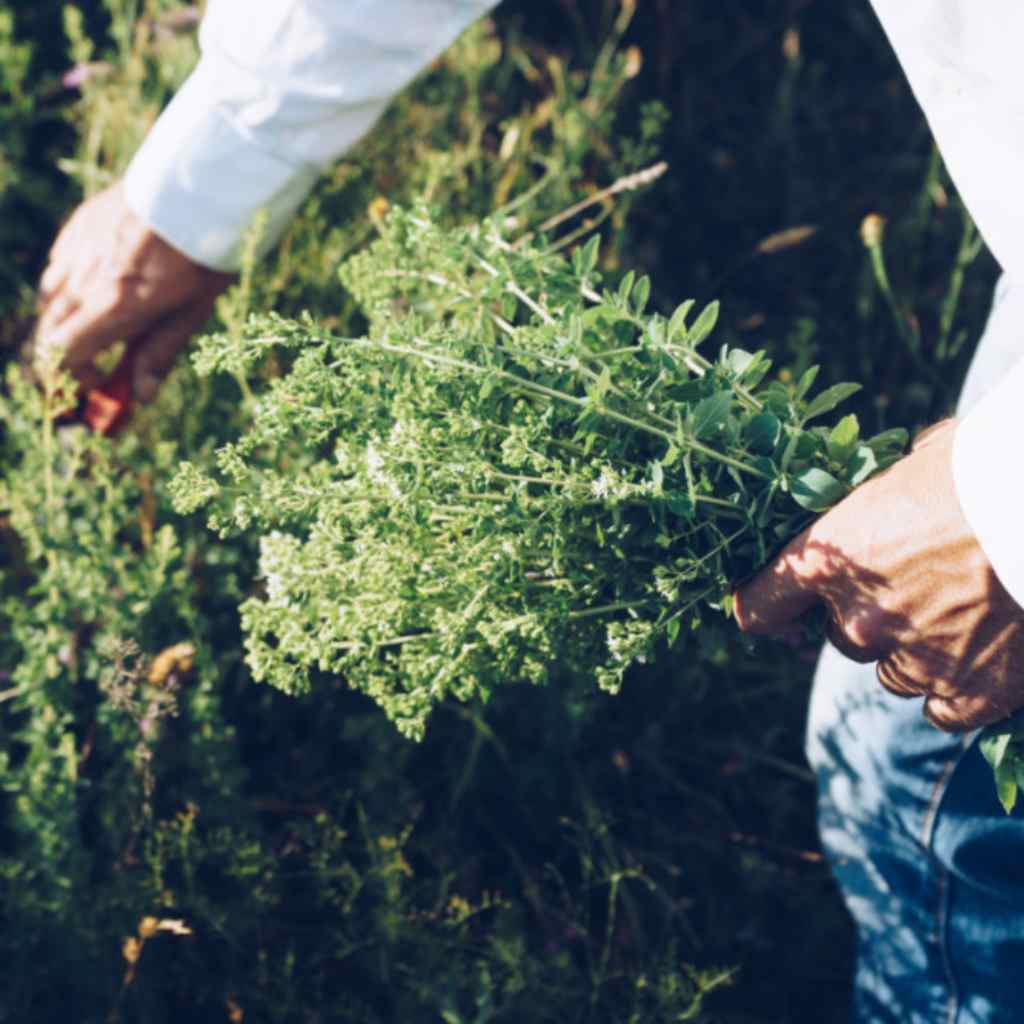
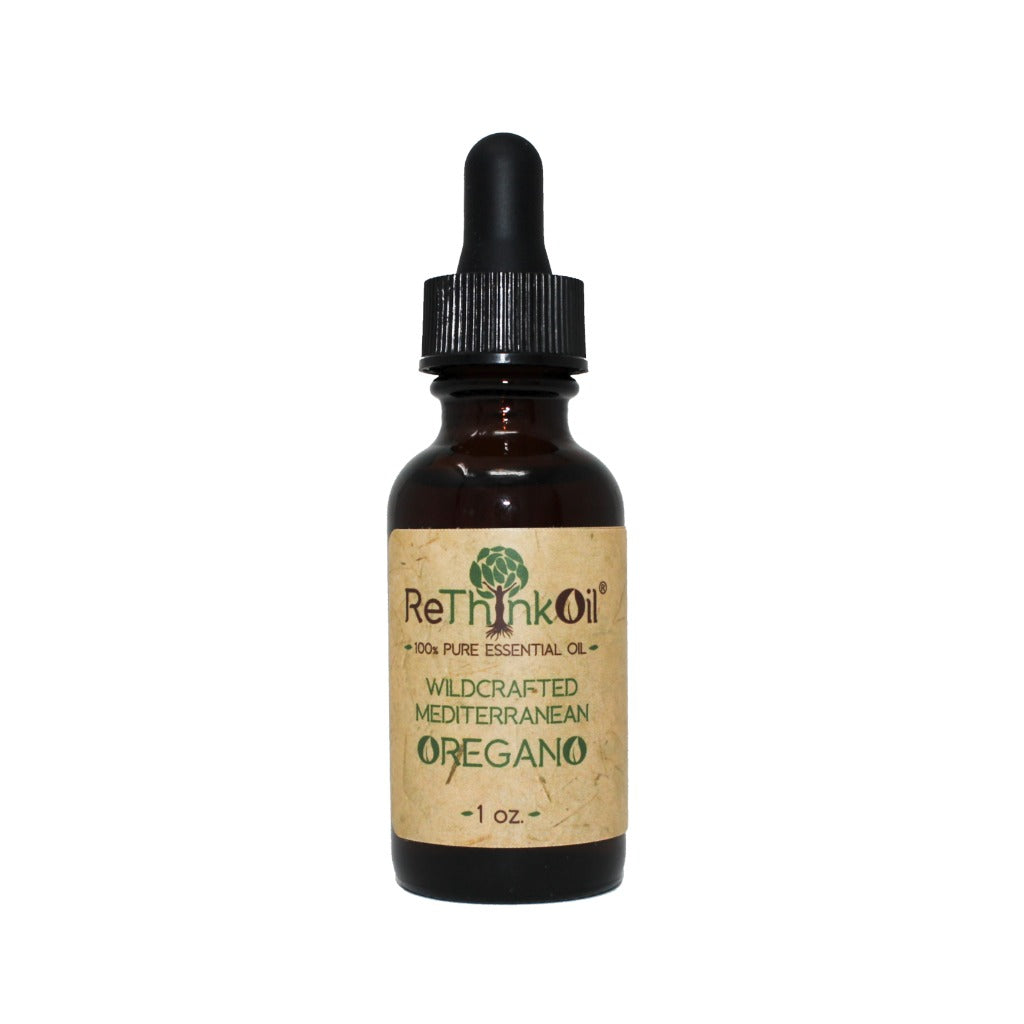
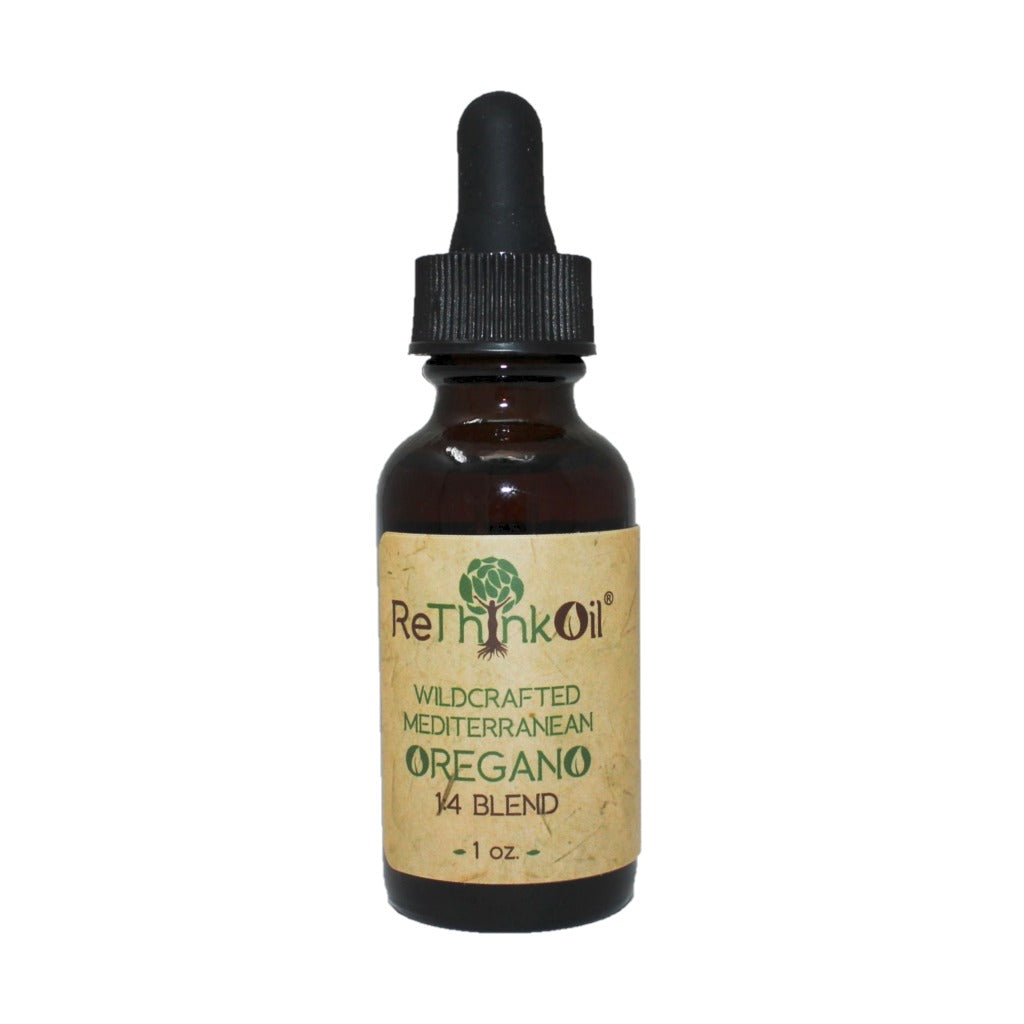
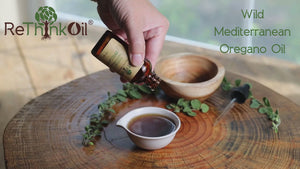
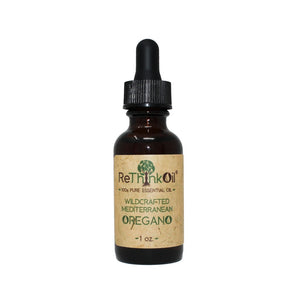
There is absolutely no need to standardize or adulterate ReThinkOil’s 100% pure Oregano oil. From the wild mountain harvest to the final drop, our suppliers pair exceptional botanical selection with a clean, proprietary distillation layout. This precise process preserves an unadulterated, naturally balanced oil rich in a broad spectrum of native properties—exactly what Mother Nature intended it to be.
Scientific References
1.
Dožudić, A., et al. (2021). Influence of Isolation Techniques on the Chemical Composition and Quality of Essential Oils. Molecules, 26(17), 5214.
2.
Bakkali, F., et al. (2008). Biological effects of essential oils – A review. Food and Chemical Toxicology, 46(2), 446-475.
3.
Simionatto, E., et al. (2014). Chemical composition and evaluation of the adulteration of commercial essential oils. Journal of Agricultural and Food Chemistry, 62(4), 890-896.
Interested in learning more?
Read here about:
Synergy & Essential Oils - Is 1+ 1 > 2?
Looking for Oregano Oil? Shop here