






Vaginosis occurs when the natural balance of vaginal flora is disrupted, leading to an overgrowth or depletion of specific bacteria. While many individuals assume these symptoms always stem from a typical bacterial or yeast infection, there are distinct sub-types, each with its own specific causes, physiological signs, and management approaches.
Understanding the differences between Bacterial Vaginosis (BV), Vaginal Lactobacillosis (LV), and Cytolytic Vaginosis (CV) is essential for maintaining long-term health and avoiding unnecessary treatments.
1. Bacterial Vaginosis (BV)
Bacterial Vaginosis is the most common form of vaginosis. It occurs when the vaginal microbiome shifts away from a healthy, Lactobacillus-dominated state to an environment where anaerobic bacteria (such as Gardnerella vaginalis and Atopobium vaginae) flourish.
- Common Triggers: Douching, antibiotic use, frequent unprotected intercourse, smoking, or hormonal shifts (pregnancy/menopause).
- Key Symptoms: Thin, watery, white or gray discharge accompanied by a distinct fishy odor that often becomes more noticeable after intercourse.
- What a Professional Finds: The vaginal pH shifts to an alkaline state greater than 4.5. Microscopic evaluation frequently reveals "clue cells."
2. Vaginal Lactobacillosis (LV)
Lactobacillosis occurs when there is an overgrowth of Lactobacillus chains, creating excessive acidity. Because symptoms overlap with other conditions, it is frequently misdiagnosed as a chronic yeast infection or BV.
- Common Triggers: Excessive intake of fermented foods (yogurt, kimchi, kombucha) or the prolonged overuse of Lactobacillus-based probiotic supplements.
- Key Symptoms: An increase in thick, white, sometimes paste-like or creamy discharge, vaginal burning, and a sensation of tightness or dryness.
- What a Professional Finds: Vaginal pH typically stays within a normal range (3.5 to 4.5), but microscopic inspection reveals long, segmented Lactobacillus chains.
3. Cytolytic Vaginosis (CV)
Similar to Lactobacillosis, Cytolytic Vaginosis involves an overabundance of Lactobacillus. In this case, however, the bacteria produce massive amounts of lactic acid, leading to severe acidity that causes cytolysis—the actual breakdown of vaginal epithelial cells.
- Common Triggers: Overuse of Lactobacillus acidophilus supplements or frequent douching with acidic solutions like vinegar rinses.
- Key Symptoms: Yeast-like intense itching, soreness, burning, discomfort during intercourse, and a thick, white discharge.
- What a Professional Finds: An abnormally low, hyper-acidic vaginal pH (under 3.8), with microscopic evidence of bare or naked intermediate epithelial nuclei.
Condition Comparison
This chart highlights how clinical findings help distinguish between each condition:
| Diagnostic Criteria | Candidiasis (Yeast) | Bacterial Vaginosis (BV) | Vaginal Lactobacillosis (LV) | Cytolytic Vaginosis (CV) |
|---|---|---|---|---|
| Primary Symptoms | Itching, pain, and pain during intercourse | Fishy odor (especially after sex or menses) | Burning, pain during urination, constant wet feeling | Itching, burning, pain during urination, pain during intercourse |
| Discharge Appearance | Thick, white discharge | Thin, sticky, grayish-white discharge | Abundant, white, creamy/paste-like, odorless | Abundant, white, creamy/paste-like OR thin, odorless |
| Vaginal pH Level | Normal (< 4.5) | Elevated (> 4.5) | Normal to low (3.5 – 4.5) | Abnormally low (< 3.8 to 4.5) |
| Microscopic Findings | Budding fungi with hyphae/pseudohypae | Clue cells on saline wet mount; positive whiff test | Long, segmented lactobacilli (40–60 µm in length) | Bare/naked intermediate nuclei (cytolysis); abundant lactobacilli |
Oregano Use for BV (ReThinkOil specific)
If you are managing chronic microbial overgrowth, natural botanicals like oregano can be utilized to help clear excess bacterial or fungal populations. Always monitor your symptoms closely and contact a medical professional if your symptoms persist or worsen.
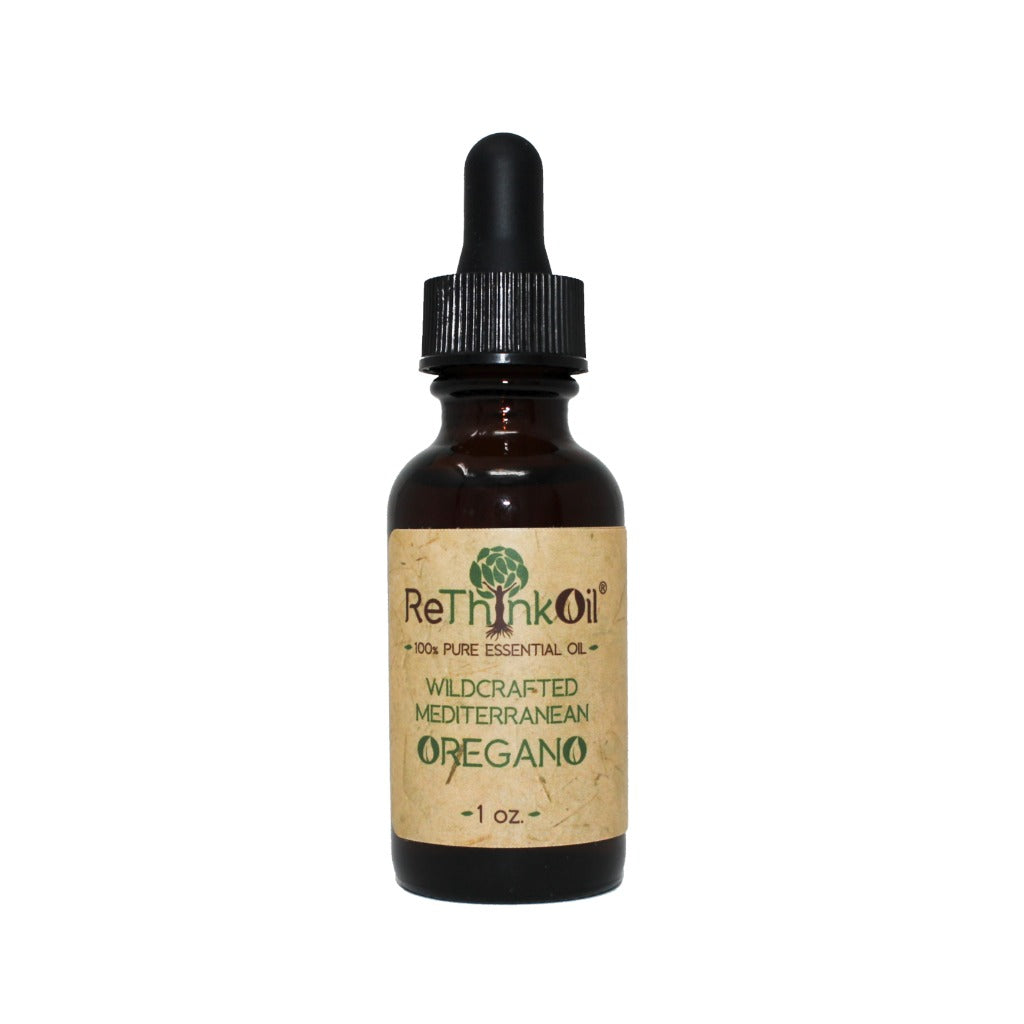
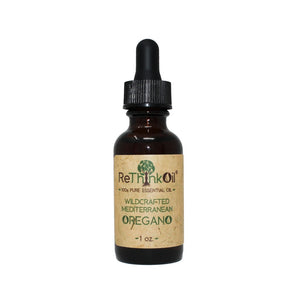
- ReThink’s Pure Oregano Essential Oil: Highly concentrated antimicrobial support. Symptom management protocols typically involve properly diluting 3–5 drops into a carrier oil of choice, taken 3 times daily for 4–5 days. For preventative maintenance, take 3–5 drops properly diluted once daily or every other day.
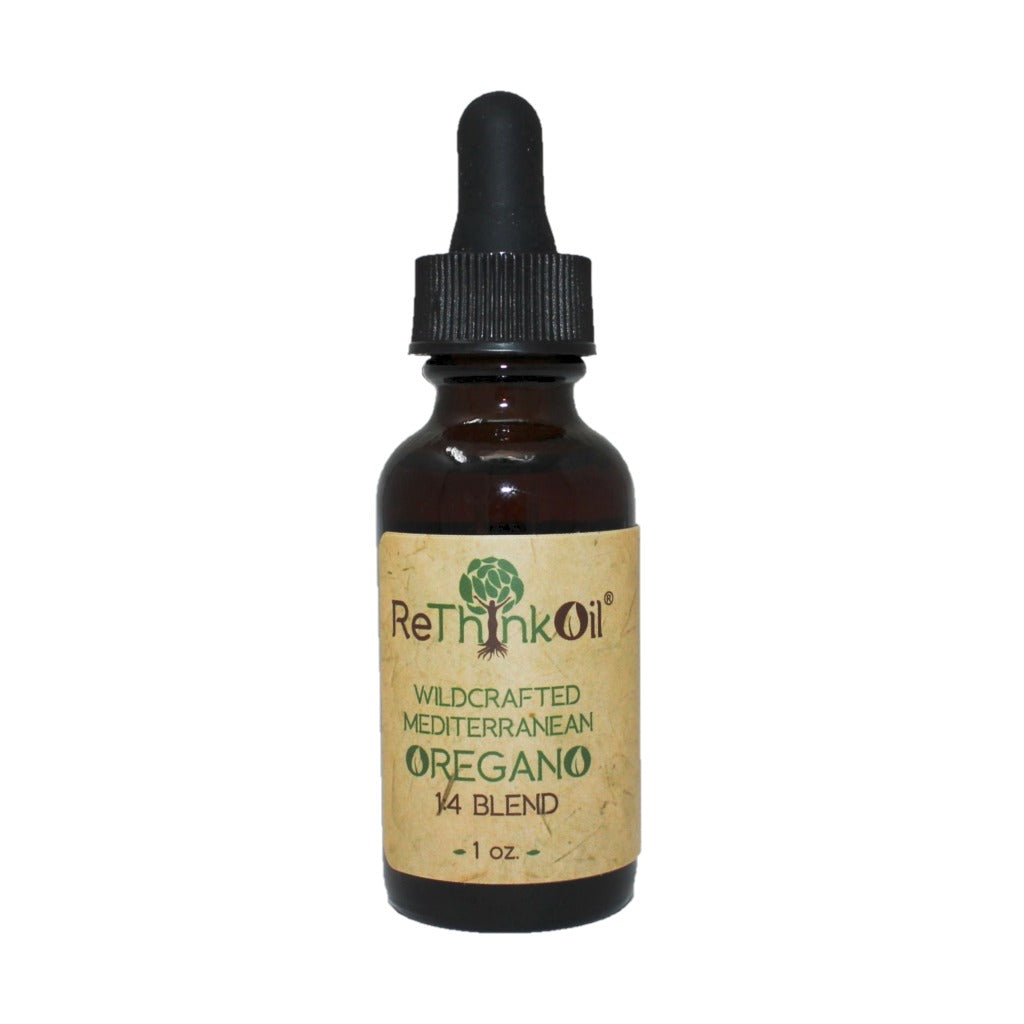
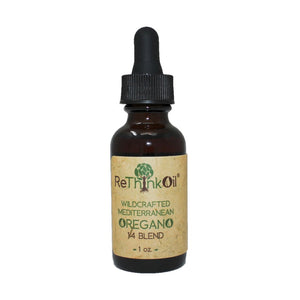
- ReThink’s Oil of Oregano (1:4 Dilution): Pre-diluted for ease of use (5 drops equals 1 drop of pure essential oil). Symptom management typical usage is 15–25 drops 3 times daily for 4–5 days. For preventative care, take 15–25 drops once daily or every other day.
At-Home Functional Screening Options
Specialized functional testing can help support a more accurate condition assessment:
- Vaginal Microbiome Mapping: Directly assesses BV-associated bacteria and provides quantitative Lactobacillus levels and pH values.
- Doctor's Data Vaginosis Profile: Provides a targeted BV score and includes microscopy to evaluate intermediate epithelial cells.
- Tiny Health Vaginal Health Test: Offers extensive microbial profiling to map out the exact strains present in your ecosystem.
(Note: Screening kits can be ordered directly through our Fullscript store dashboard or by clicking the test link.)
|
Condition
|
|||
|---|---|---|---|
|
Bacterial Vaginosis (BV)
|
Yes, directly assessed
|
Yes, directly assessed with BV score
|
BV-associated microbial pattern assessed
|
|
Lactobacillosis / Hyperlactobacillosis
|
Can strongly suggest/support through quantitative
Lactobacillus + pH
|
Can strongly support through microscopy +
Lactobacillus findings
|
Can suggest/support through extensive
Lactobacillus profiling
|
|
Cytolytic Vaginosis
|
Cannot confirm alone; pH +
Lactobacillus findings are supportive
|
Closest of the three to evaluating it because microscopy is included, but no explicit CV diagnosis is reported
|
Cannot confirm alone; lacks pH and microscopy
|
*At-home test kits can be ordered through our Fullscript store, through the links below:
Doctor's Data Vaginosis Profile
References: 1,2,3,4,5,6
1) http://ispub.com/IJANP/6/1/12743#
2) https://www.sciencedirect.com/science/article/abs/pii/S000293781290736X
3) https://www.cdc.gov/std/bv/stdfact-bacterial-vaginosis.htm
4) https://www.mayoclinic.org/diseases-conditions/bacterial-vaginosis/symptoms-causes/syc-20352279
5) https://www.womenshealth.gov/a-z-topics/bacterial-vaginosis
6) https://www.jcgo.org/index.php/jcgo/article/view/294/121