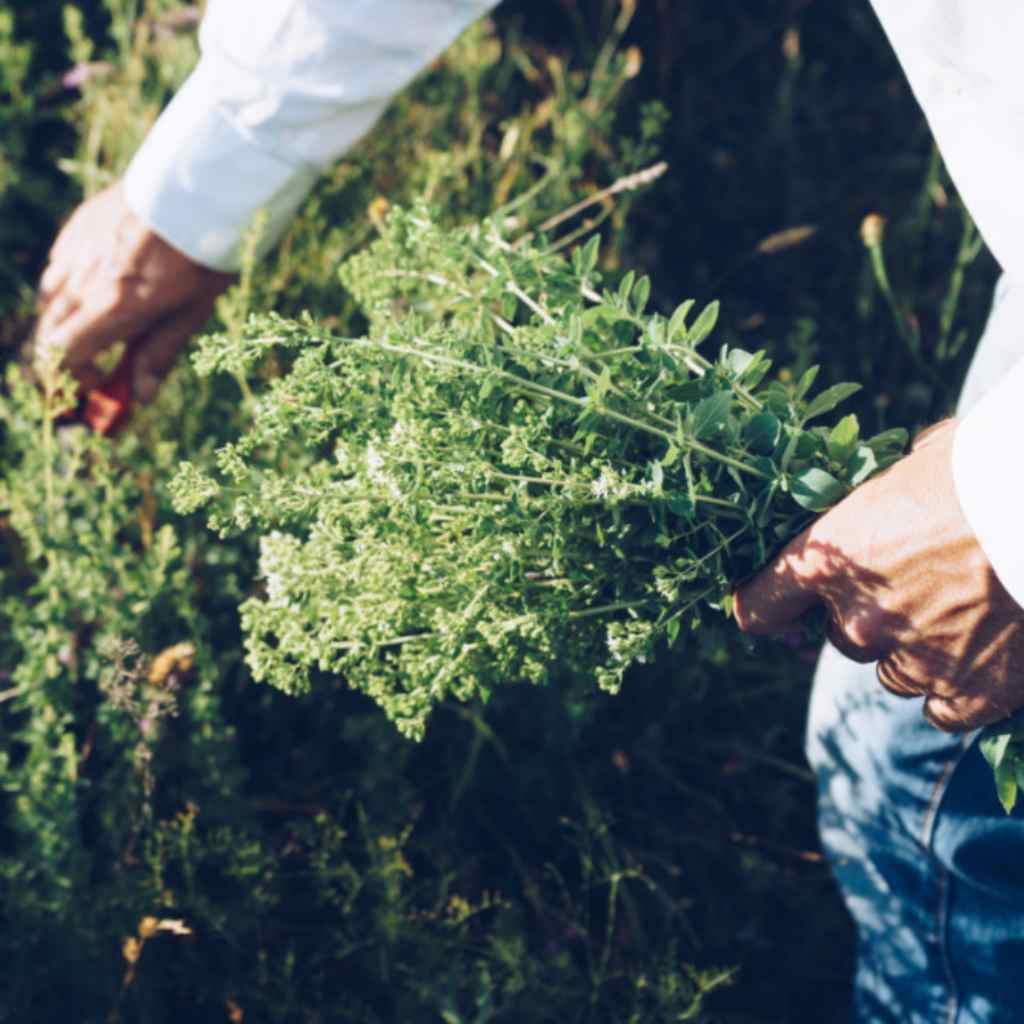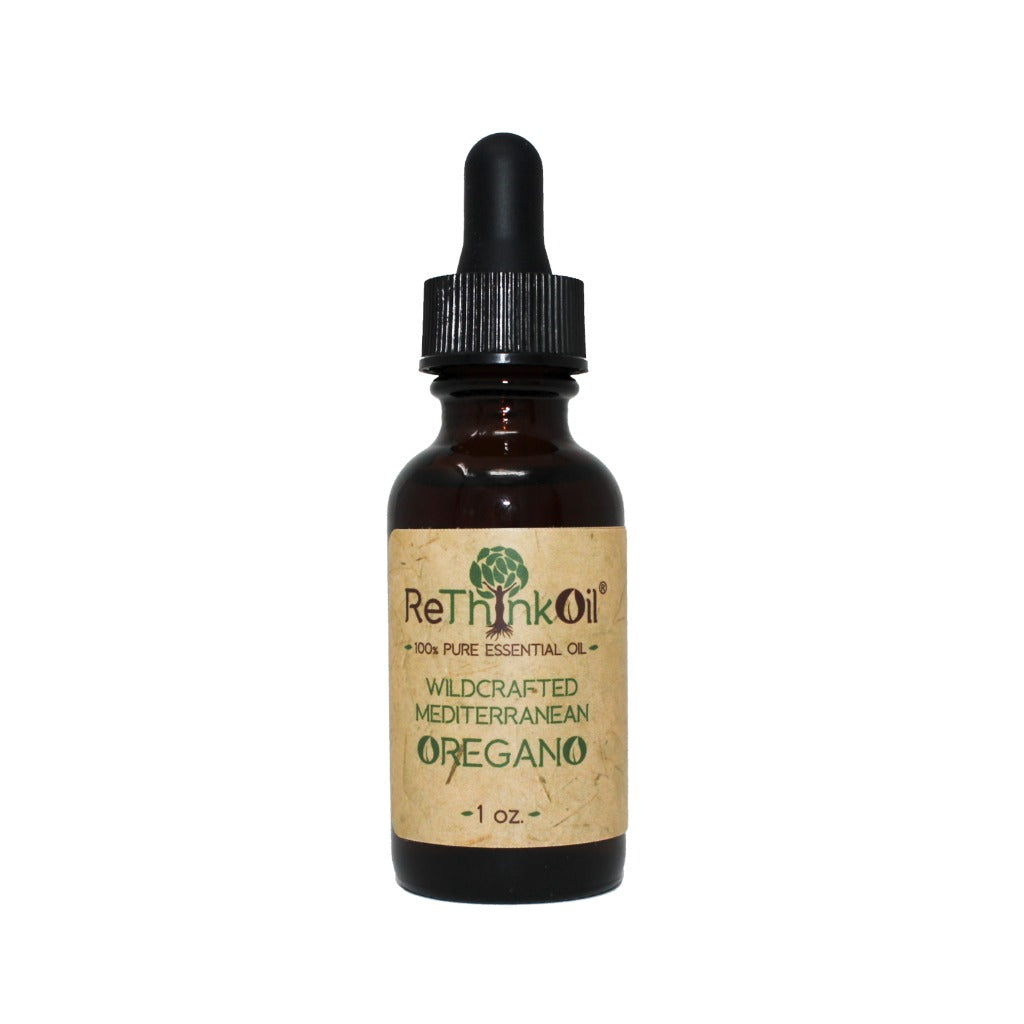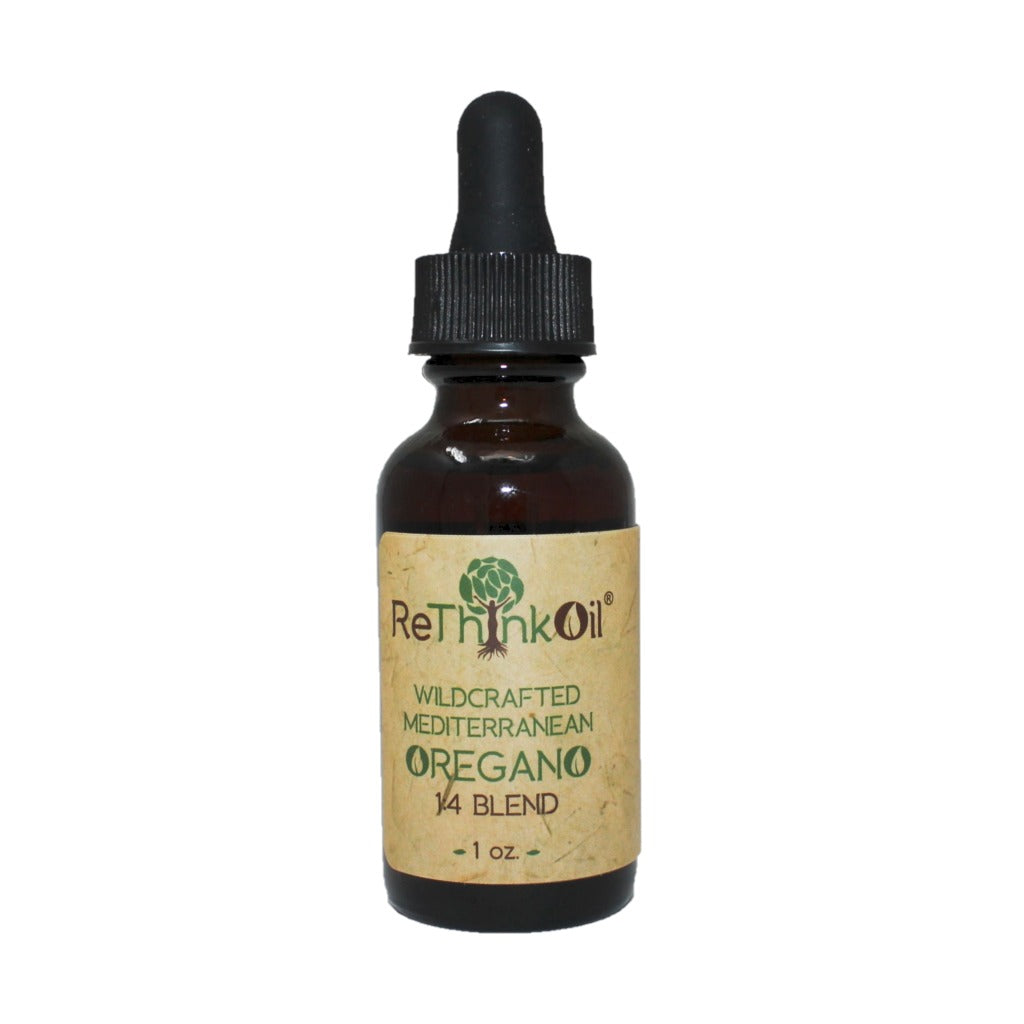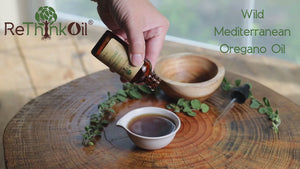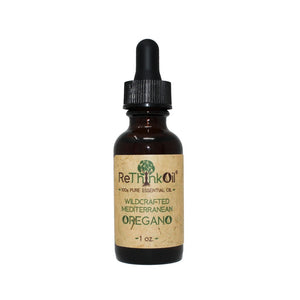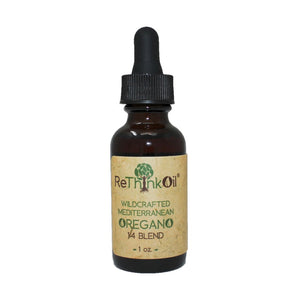







The Origanum genus is a diverse group of aromatic perennials belonging to the mint family (Lamiaceae), encompassing well over 50 unique classifications. It is highly common for consumers to confuse these plants, but a critical distinction must be made: Origanum minutiflorum is entirely its own distinct botanical species. It is not a subspecies, variant, or offshoot of common market oregano (Origanum vulgare).
While various species within this botanical family share similar foundational organic compounds, their exact chemical fingerprints, growing environments, and therapeutic potencies vary significantly. Scientific research confirms that true, independent species like Origanum minutiflorum offer powerful broad-spectrum antimicrobial defense mechanisms, including targeted antibacterial, antifungal, antiviral, and antiparasitic properties.
Shared Foundations: Vulgare and Minutiflorum
Despite their separate species status, these two distinct botanical powerhouses share several core traits:
- Taxonomic Genus: Both belong to the Origanum genus under the larger Lamiaceae (mint) family tree.
- Complex Chemistry: Each is composed of a complex web of volatile compounds working together via natural molecular synergy.
- Antimicrobial Footprint: Both display documented laboratory activity against a wide array of bacteria, fungi, viruses, and parasites.
Key Differences: A Side-by-Side Comparison
Origanum minutiflorum (An Independent, Rare Species)
- A Distinct Species: It holds its own unique taxonomic rank as a completely separate species with zero subspecies of its own. It is a pure, unfragmented lineage.
- Endemic & Rare: It is an incredibly rare plant that grows exclusively in wild, rocky soils at extreme high altitudes (above 1,500 meters), primarily localized to only two or three specific mountain massifs in southern Turkey.
- Exclusively Wild: It defies industrial cultivation or low-altitude farming; it only thrives where nature naturally seeded it.
- Natively High Potency: It naturally yields an exceptionally high carvacrol profile entirely on its own, eliminating any need for post-distillation standardization.
Origanum vulgare (The Common Commercial Herb Group)
- A Fragmented Species Group: Origanum vulgare is a separate, highly broad species classification that relies on a heavily divided family tree made up of numerous distinct subspecies (such as O. vulgare ssp. hirtum or Greek/Turkish oregano).
- Widely Cultivated: It is easily grown wild or cultivated across massive commercial agricultural farms and backyard home gardens globally.
- Low-Altitude Adaptability: It thrives effortlessly in low-altitude farming environments and standard agricultural climates.
- Frequently Manipulated: Because cross-cultivated batches vary drastically in their final chemistry, vulgare oils are frequently subjected to industrial standardization post-distillation.
Why ReThinkOil Chooses the Independent Species: Origanum minutiflorum
Most mass-market brands default to selling easily sourced, cultivated variations of the Origanum vulgare species. However, our practitioner specifically sought a pure, non-standardized, high-altitude wild oregano oil featuring a perfectly balanced, native chemical matrix suited for intensive wellness and therapeutic support.
Because the independent species wild Origanum minutiflorum safely produces a consistently elevated carvacrol content entirely on its own, it completely eliminates the commercial need for chemical tampering, synthetic spiking, or batch standardization. Finding an unstandardized vulgare oil that naturally matches this balanced, high-potency molecular architecture is incredibly rare.
Scientific References
1.
Baser, K. H. C. (2002). The Turkish Origanum Species: A Botanical and Phytochemical Review. Turkish Journal of Agriculture and Forestry, 26(4), 189-197.
2.
Sokmen, M., et al. (2004). In vitro antimicrobial and antioxidant activities of the essential oils and various extracts of Origanum minutiflorum. Journal of Agricultural and Food Chemistry, 52(11), 3309-3312.
3.
Dadalioglu, I., & Evrendilek, G. A. (2004). Chemical compositions and antimicrobial effects of essential oils of Turkish oregano (Origanum minutiflorum). Molecules, 9(12), 1155-1161.